

Key Takeaways
- Fiber is a plant-based nutrient that helps your body with digestion and supports overall health.
- It promotes digestive regularity, helps maintain stable blood sugar levels, and contributes to heart health.
- You can easily add more fiber to your diet by choosing foods like fruits, vegetables, and whole grains.
- Proper nutrition is a key component of a supportive senior living experience, including assisted living and memory support.
The Value of Fiber in Your Daily Diet
You probably hear about the benefits of a balanced diet all the time, and a key player in that balance is dietary fiber. At communities like Maumee Pointe Assisted Living & Memory Support, nutrition is seen as a cornerstone of well-being. But what does fiber really do for you, and why is it something to pay attention to in your daily meals?
Understanding how this simple nutrient works can help you make food choices that support your energy levels and overall health. With access to thoughtfully prepared dining options, incorporating fiber becomes easier and more enjoyable. In short, getting enough fiber can make a significant difference in how you feel from day to day.
How Fiber Supports Your Overall Health
Dietary fiber is the part of plant foods your body can’t digest. Instead of being broken down, it passes through your system, which is what gives it many health benefits. Adding enough fiber to your diet can make a noticeable difference in how you feel and supports healthy aging.
A diet with enough fiber helps keep your digestive system on track, leading to more comfort and predictability. Fiber is also a key part of a heart-healthy diet, as it can help manage cholesterol levels and support cardiovascular wellness. It also slows the absorption of sugar, which helps you avoid sharp energy spikes after a meal.
Meeting your overall nutritional goals this way can also help you prevent common health risks. Because fiber-rich foods are more filling, they can also help you feel satisfied longer and maintain a healthy weight.
Simple Ways to Add More Fiber to Your Diet
Adding more fiber to your diet doesn’t require a complete overhaul of your meals. Pairing nutritious foods with gentle movement, like some low-impact exercises, can support your well-being, and even small changes can add up.
Choose Fiber-Rich Foods
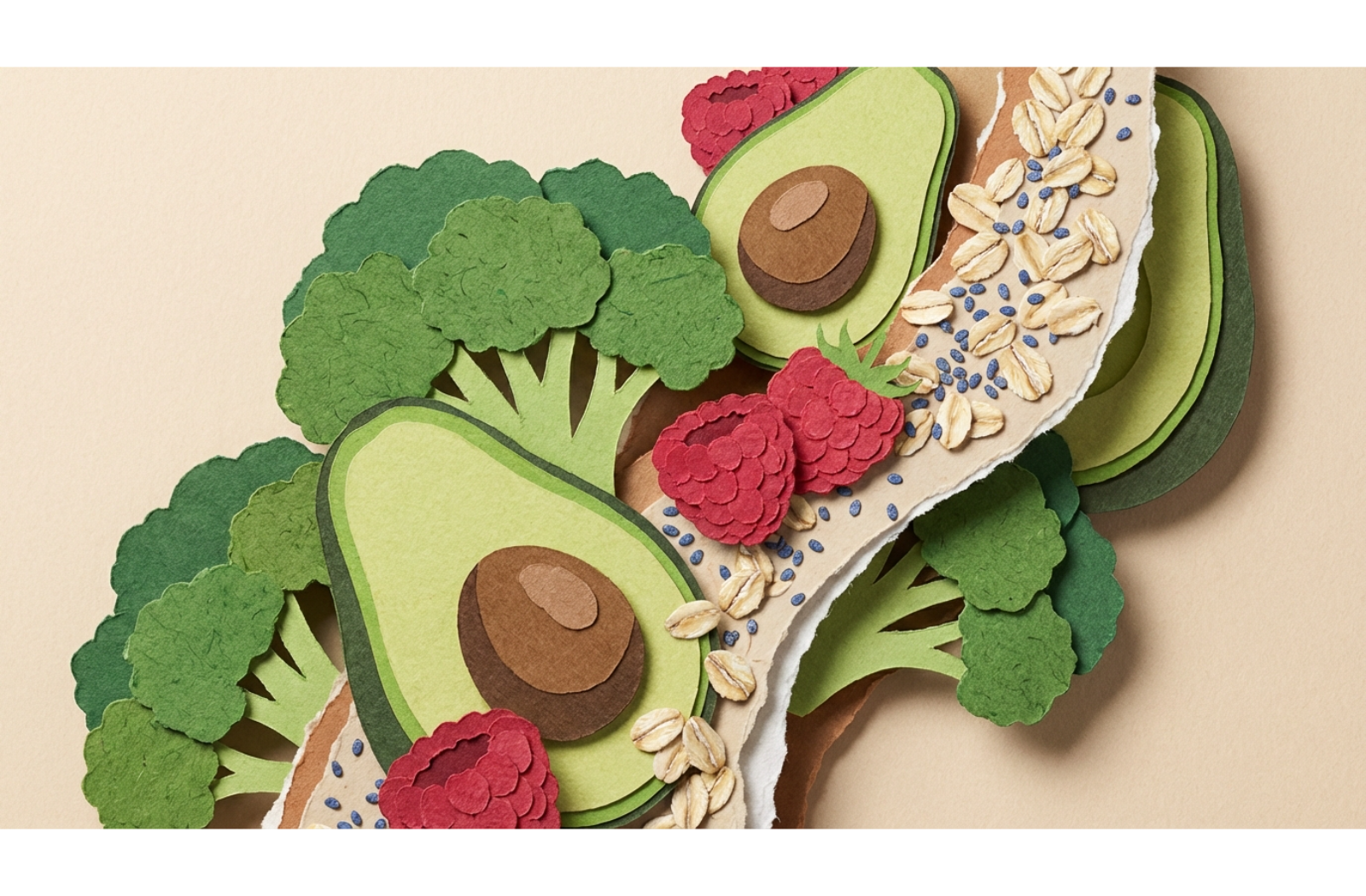
Many delicious and common foods are great sources of fiber. When you’re at the store or planning meals, you can look for options like:
- Fruits: Pears, strawberries, apples (with skin), bananas, and raspberries.
- Vegetables: Carrots, broccoli, Brussels sprouts, and potatoes (with skin).
- Whole Grains: Oatmeal, quinoa, brown rice, and whole-wheat bread.
- Legumes: Lentils, black beans, chickpeas, and peas.
- Nuts and Seeds: Almonds, chia seeds, and sunflower seeds.
Easy Meal and Snack Ideas
Incorporating these foods doesn’t have to be complicated. When planning your meals, consider these simple swaps and additions:
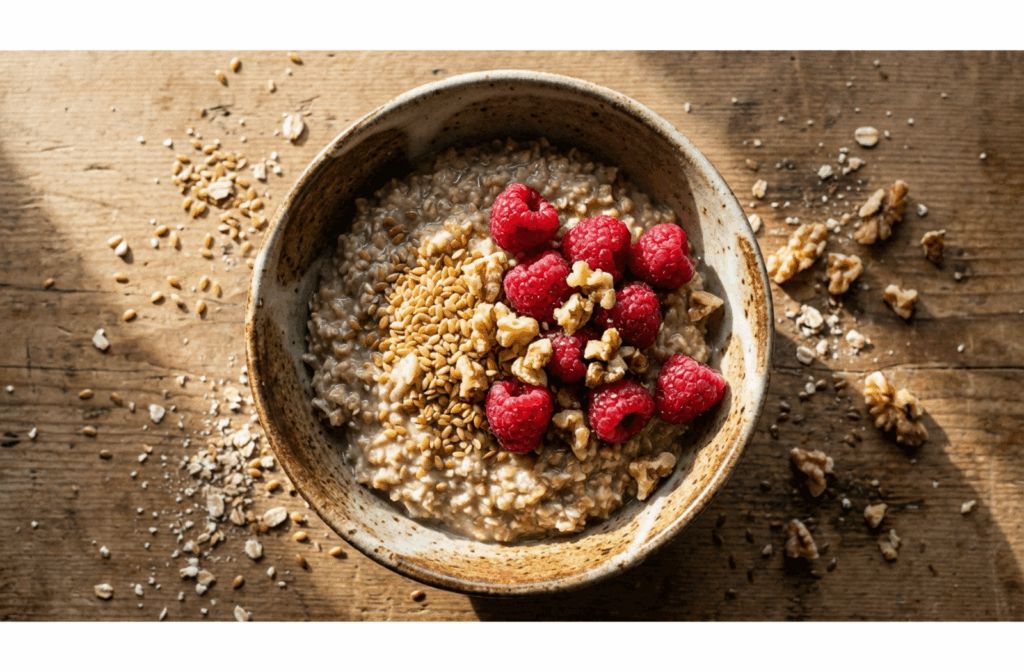
- Start your day with a bowl of oatmeal topped with berries.
- Add a handful of beans to your favorite soup or salad.
- Choose whole-fruit snacks instead of juice.
- Snack on a small handful of almonds or carrots with hummus.
- Switch to whole-grain crackers for your snacks.
A Note on Hydration
As you add more fiber, remember to drink more water. Hydration helps fiber move smoothly through your digestive system, allowing you to get the full benefits without discomfort.
The Role of Nutrition in Senior Living
Thoughtful meal planning is a cornerstone of supportive care. In many communities, the focus is on providing delicious, well-balanced meals that meet residents’ nutritional needs.
In an assisted living community, chef-prepared meals make it easy to get a balanced diet that includes plenty of fiber. For residents receiving memory support, nutritious food is part of a consistent routine that supports comfort and well-being. Even a short-term respite care stay includes access to these thoughtful dining options, prioritizing health from day one in a supportive senior living environment.
A Balanced Approach to a Healthier You
Adding more fiber to your diet is a positive step you can take for your health. By focusing on small, manageable changes, you can build habits that support your well-being for the long run. A balanced diet is a key part of living a full and vibrant life, giving you the energy to do the things you enjoy.
At Maumee Pointe Assisted Living & Memory Support, we understand the importance of good nutrition. Our dining experience is designed to help residents thrive through delicious and thoughtfully prepared meals.
If you’d like to see how a supportive environment can make healthy living easier, you can schedule a visit to learn more about our community.



